

PujaPurohit
 Select Location
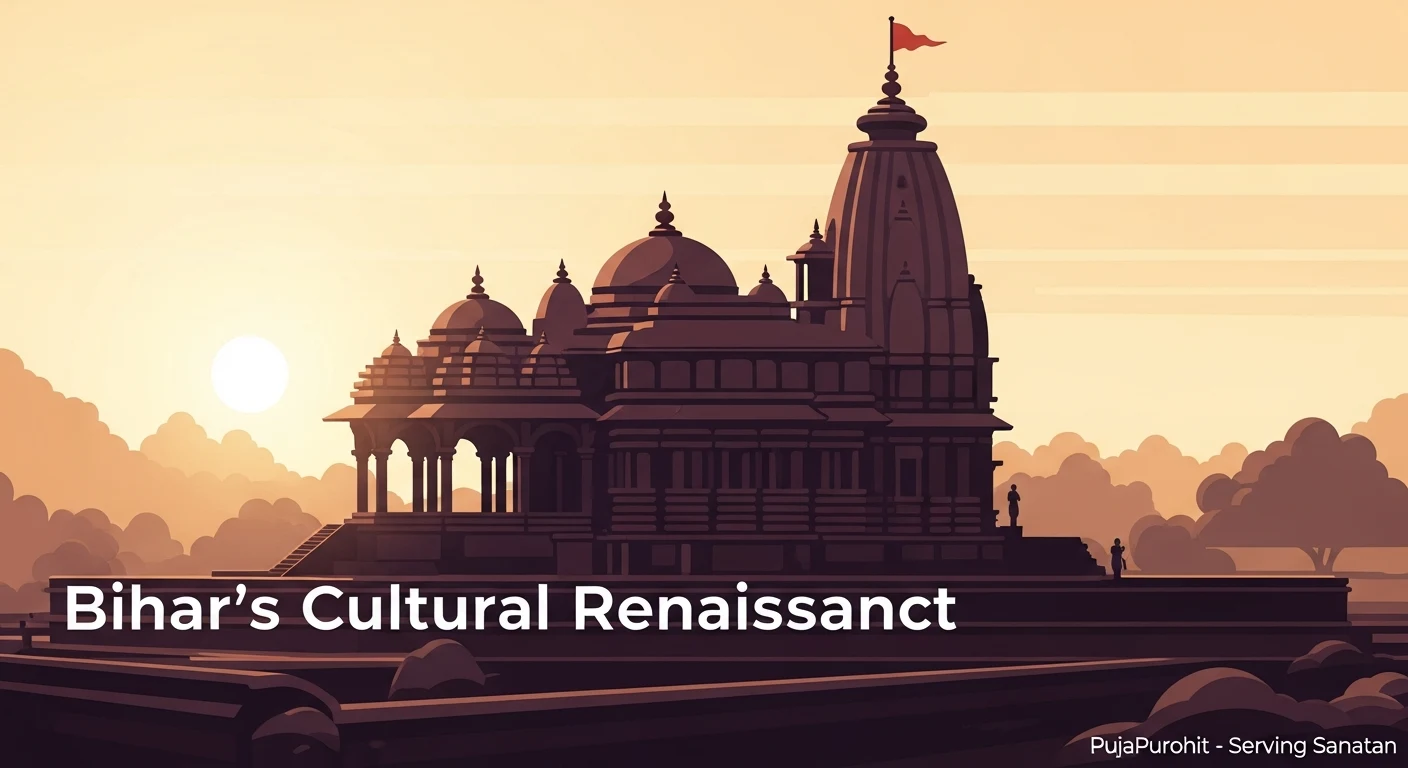
Bihar's Cultural Renaissance: Nitish government will promote sanatan dharma in 38 district
01 Dec 2025 • 1 min read

Agent47
Author

 1158
1158 1158
1158
Bihar's Cultural Renaissance: A Bold Initiative to Revitalize Sanatan Dharma
In a move that resonates with the deep cultural and spiritual roots of the region, the Bihar government, under the leadership of Chief Minister Nitish Kumar, has launched a significant initiative to preserve and promote Sanatan Dharma. A recent announcement on November 24, 2025, has unveiled a comprehensive plan to systematically strengthen religious traditions across all 38 districts, ensuring that the state's ancient heritage not only survives but thrives for generations to come.
A Vision for Spiritual Revival: The Initiative Unveiled
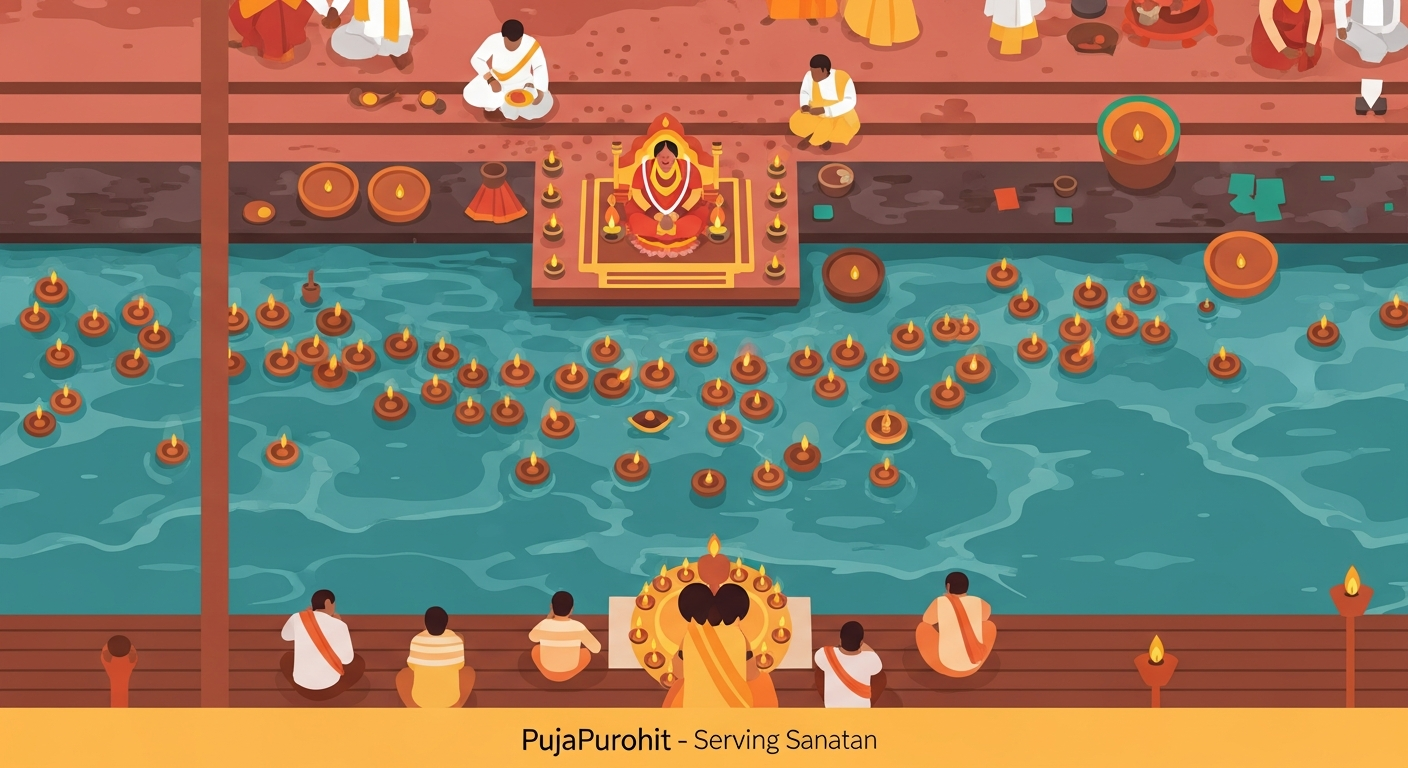
At the heart of this initiative is the Bihar State Religious Trust Council (BSRTC), the governing body for registered temples and maths. The BSRTC has announced a groundbreaking decision to appoint Mahants (chief priests) as district-level coordinators. This strategic move aims to create a structured network to monitor, coordinate, and invigorate religious activities in the state's 2,499 registered temples and maths. According to the PTI report, the selection process for these coordinators is set to begin within the next few days, with a strict focus on appointing established Mahants to ensure authentic and respected leadership at the grassroots level.
Guardians of Tradition: The Role of District Coordinators
The newly appointed Mahant coordinators will serve as the crucial link between the BSRTC and the local temple communities. Their responsibilities are multifaceted and vital for the success of this cultural revival. Key duties include:
- Monitoring and Coordination: Overseeing the regular conduct of monthly poojas and other religious programs in all registered temples within their district.
- Propagation of Dharma: Actively working to spread awareness about the principles and practices of Sanatan Dharma among the public.
- Community Engagement: Encouraging local households to adopt and participate in traditional rituals, thereby fostering greater religious awareness and social unity.
- Reporting and Feedback: Acting as a channel of communication to ensure the smooth implementation of the BSRTC's directives and reporting on progress.

Weaving Faith into Daily Life: Mandatory Rituals and Cultural Spaces
To create a uniform rhythm of spiritual practice across the state, the initiative mandates the performance of specific rituals in all registered temples. Coordinators will ensure that every temple conducts:
- Sathyanarayan Katha on every Purnima (full moon).
- Bhagwati Puja on every Amavasya (new moon).
This directive is not merely about ritualistic observance; it's about re-establishing a shared spiritual calendar that connects communities. Furthermore, the plan extends beyond the sanctum sanctorum. Temples and maths are now required to create dedicated spaces for Akharas. These traditional arenas for wrestling and cultural practices aim to reposition temples as holistic centers for social and cultural reform, blending physical discipline with spiritual values and disseminating Sanatan traditions to the youth.

A Statewide Cultural Tapestry: Broader Impact and Future Endeavors
This initiative aligns perfectly with a broader cultural push at the national level. It complements Prime Minister Narendra Modi's recent efforts to nominate Bihar's iconic Chhath Puja for UNESCO's Intangible Cultural Heritage list. This nomination underscores Bihar's role as the 'heartbeat' of a festival that symbolizes India's deep-rooted faith and culture. The state's new focus on Sanatan Dharma amplifies this cultural significance on a global stage.
Looking ahead, the BSRTC has ambitious plans. An international conference on promoting Sanatan Dharma is scheduled to be held in the historic city of Rajgir. Additionally, a special religious calendar is being developed. This calendar will not only feature key festivals but also detail pooja methods and highlight important activities, serving as a guide for every household. It will be distributed widely through the network of temples and maths, ensuring its reach across the state.

Preserving the Past, Inspiring the Future
In an era of rapid modernization, the conscious effort to preserve cultural heritage is more important than ever. The Bihar government's initiative is a profound statement about the value of tradition, community, and faith. By creating a structured, state-supported framework, this plan aims to transform temples from mere places of worship into dynamic centers of cultural learning, social cohesion, and spiritual guidance. It is a thoughtful step towards ensuring that the rich Sanatan heritage of Bihar continues to be a living, breathing force that guides and inspires its people.
Frequently Asked Questions (FAQ)
- What is the Bihar State Religious Trust Council (BSRTC)?
- The BSRTC is an autonomous body of the Bihar government responsible for the administration, supervision, and management of registered public temples and maths in the state.
- Why are only Mahants being appointed as coordinators?
- The decision to exclusively involve Mahants is to ensure that the leadership for this religious initiative comes from individuals with deep scriptural knowledge, spiritual authority, and community respect, ensuring authenticity and credibility.
- What is the significance of establishing Akharas in temples?
- Establishing Akharas aims to revive the traditional Indian concept of a temple as a center for holistic development, integrating physical well-being (through practices like wrestling) with spiritual and cultural education for the youth.
Bihar's Cultural Renaissance: Nitish government will promote sanatan dharma in 38 district
Explore the Bihar government's landmark initiative under CM Nitish Kumar to preserve and promote Sanatan Dharma. Learn how the appointment of Mahants as district coordinators aims to rejuvenate rituals, culture, and community engagement across the state's 2,499 temples.
Mauni Amavasya 2024: Know significance & benefits of holy bath in Ganga.
Mauni Amavasya 2024 will be observed on 9th February (friday). Know the auspecious timings, importance of maun vrat and what things to do in Mauni amavasya.

Kajri Teej 2025: Your Complete Guide to Vrat, Rituals, and Celebrations with pujaPurohit
Discover the complete guide to Kajri Teej 2025. Learn about the vrat date, puja muhurat, rituals, and significance of this auspicious festival celebrated for marital bliss. Book a verified pandit for an authentic home puja with pujaPurohit.
Kaal Sarp Dosh Nivaran Puja 2026: Complete Booking Guide, Vidhi, Samagri List & Muhurat
Book verified Pandits for Kaal Sarp Dosh Nivaran Puja, Rahu-Ketu Shanti, Navagraha Havan and Nagdevata Puja anywhere in India
सावन 2024: तिथियां, अनुष्ठान और ऑनलाइन पंडित बुकिंग की पूरी जानकारी
सावन 2024 के शुभ अवसर पर पूजा विधि और व्रत की जानकारी। पूजा पुरोहित के साथ ऑनलाइन पंडित बुक करें।
Your spiritual need,
just a tap away.

Your spiritual need,
just a tap away.